
2026 Tokyo Wagashi Guide: Yushima’s Historic Traditional Sweet Shops Near Yushima Tenjin Shrine
Stepping off at Yushima Station on the Tokyo Metro Chiyoda Line, you’ll find yourself immersed in historic streetscapes dating back to the Edo period. Centered around Yushima Tenjin Shrine, known as the “God of Learning,” Yushima has flourished as a cultural and educational hub since ancient times. This historic neighborhood still preserves beloved traditional wagashi (Japanese confectionery) shops that have served local communities for generations.
This 2026 Tokyo wagashi guide introduces two exceptional establishments: “Kagetsu’s” traditional karinto (sweet fried dough snacks) and “Usagiya’s” nationally renowned dorayaki (red bean pancakes). Along with worship at the bustling Yushima Tenjin Shrine where students pray for academic success, we’ll guide you through a special walking tour discovering authentic flavors preserved by these time-honored shops.
Yushima District: Traditional Tokyo Neighborhood Preserving Edo-Era Culture
Historic Neighborhood Rich in Culture and Tradition
Yushima is located in Bunkyo-ku (Bunkyo Ward), Tokyo, nestled between Ueno and Hongo districts. Since the Edo period, numerous educational institutions and temples have existed here, establishing Yushima’s development as a “scholarly district.” Particularly, Yushima Tenjin (Yushima Tenmangu Shrine) has attracted widespread devotion as the god of learning since the Edo era.
Yushima Tenjin is also renowned as a plum blossom viewing spot, with plum flowers in the shrine grounds continuing to enchant many visitors.
Modern Yushima: Where Tradition Meets Contemporary Life
Modern Yushima maintains its historical atmosphere while featuring office buildings and restaurants creating a vibrant district. Accessible from multiple stations including Tokyo Metro Chiyoda Line “Yushima Station,” Ginza Line “Ueno-hirokoji Station,” and JR “Okachimachi Station,” this precious area offers traditional warmth within central Tokyo.
Around Yushima Tenjin, long-established restaurants and wagashi shops line the streets, constantly bustling with worshippers and locals. Particularly during Japan’s university entrance exam season (January-February), the area fills with distinctive energy as students and exam-takers pray for academic success. In Japan, visiting shrines to pray for exam success before important tests is a cherished custom.
Yushima Tenjin Shrine: Sacred Site for Academic Achievement
Historic God of Learning
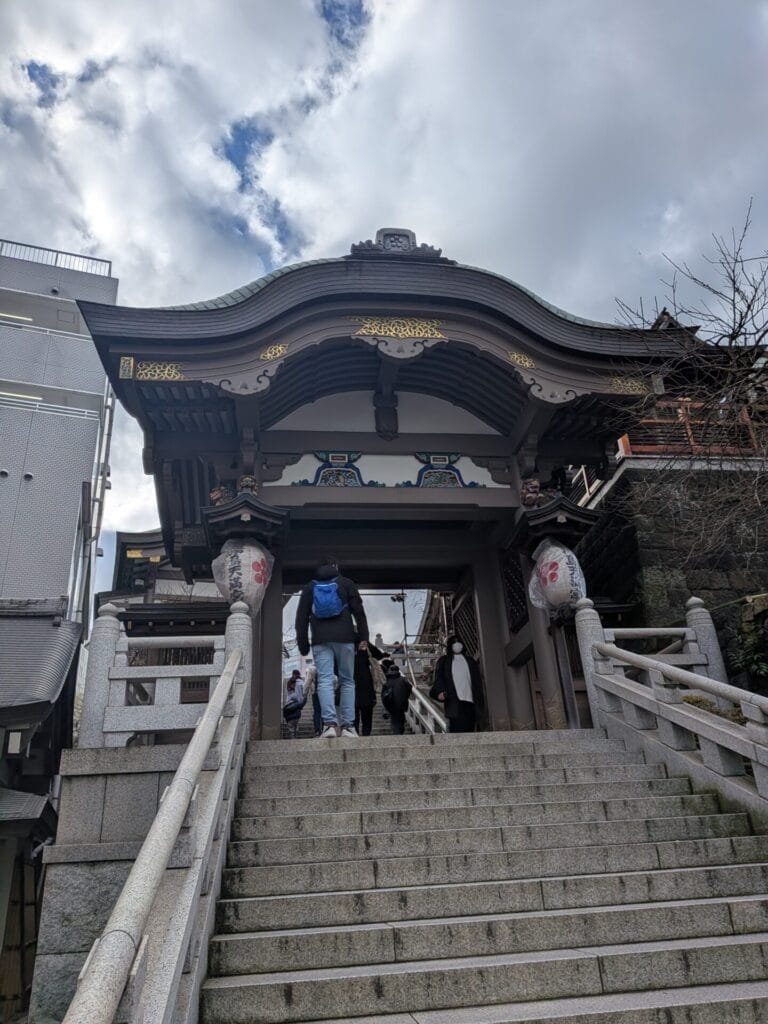
Yushima Tenjin (official name: Yushima Tenmangu Shrine) enshrines Sugawara no Michizane, revered as the god of learning. As Tokyo’s representative Tenmangu shrine, it has attracted numerous worshippers since ancient times.
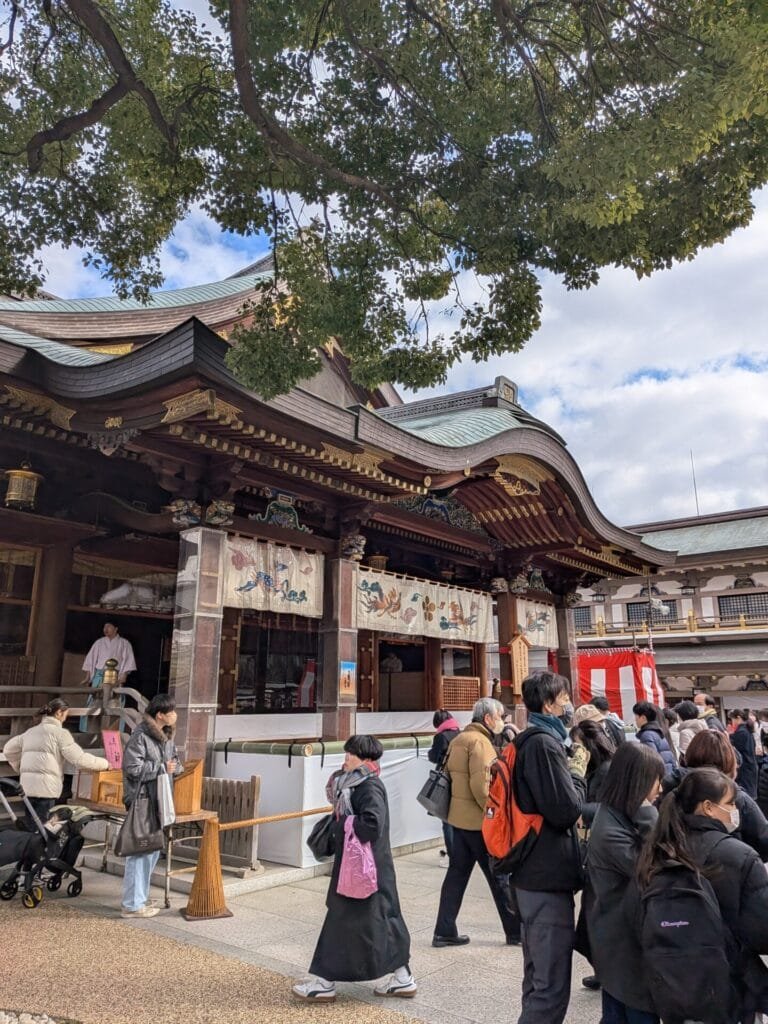
Since the Edo period, people pursuing education have visited to pray for academic success. Even today, particularly during exam season, worshippers arrive from across the nation.
Shrine Grounds Highlights and Annual Events
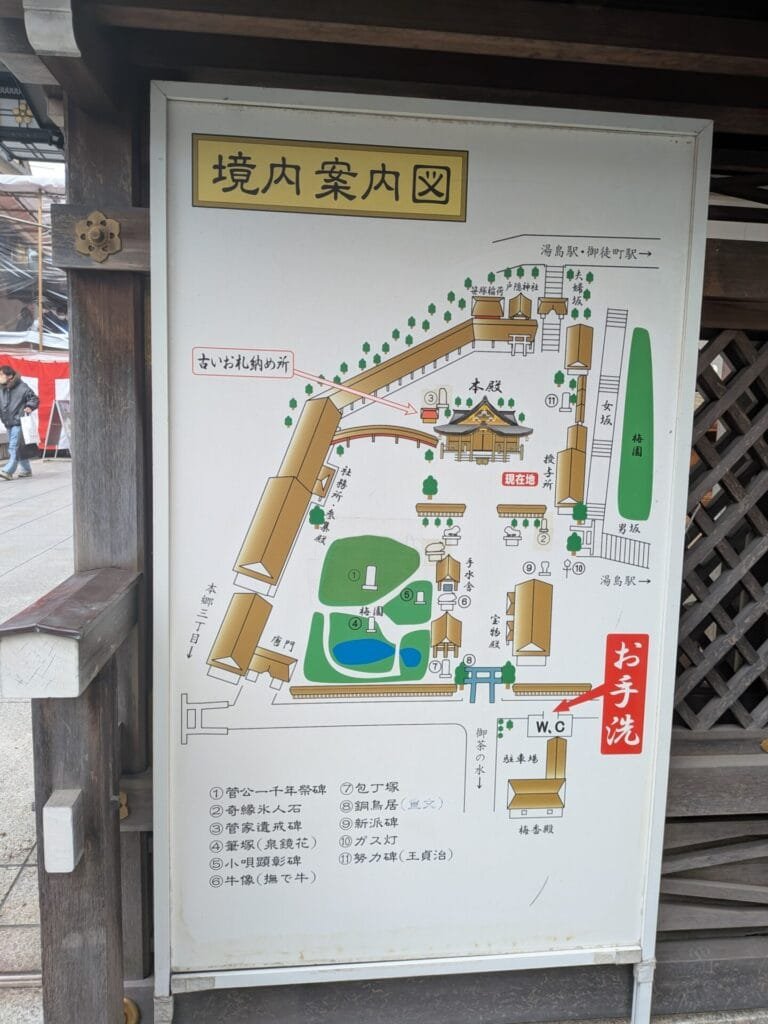
Yushima Tenjin’s grounds feature bronze torii gates and shrine buildings, offering serene atmosphere away from urban bustle. Particularly noteworthy are the plum trees blooming throughout the grounds. Centered on white plum varieties, beautiful flowers bloom from February through early March, establishing Yushima Tenjin as a famous “plum blossom viewing spot.”
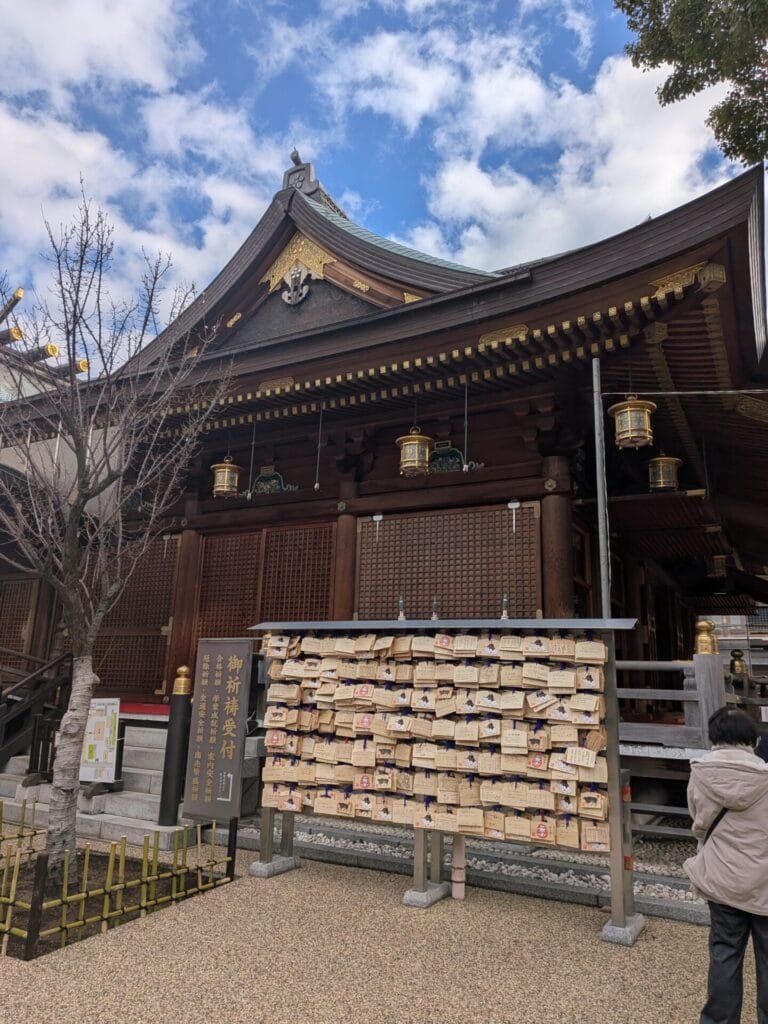
The annual “Plum Festival” held from February through March features outdoor tea ceremonies and product exhibitions amid blooming plum blossoms, attracting many tourists.
Year-round, exam prayer worshippers visit, with particularly heavy traffic during Japan’s university entrance exam season (January-February) when students and parents arrive from nationwide. Throughout the grounds, numerous ema (wooden prayer plaques where wishes are written) are dedicated.
Access Information
- Address: 3-30-1 Yushima, Bunkyo-ku, Tokyo
- Phone: 03-3836-0753
- Worship Hours: 6:00-20:00
- Access: 2-minute walk from Tokyo Metro Chiyoda Line “Yushima Station” Exit 3; 5-minute walk from Tokyo Metro Ginza Line “Ueno-hirokoji Station”; 8-minute walk from JR Yamanote/Keihin-Tohoku Line “Okachimachi Station”
Kagetsu Yushima: Traditional Karinto Artisan Shop
Long-Established Karinto Specialty Shop
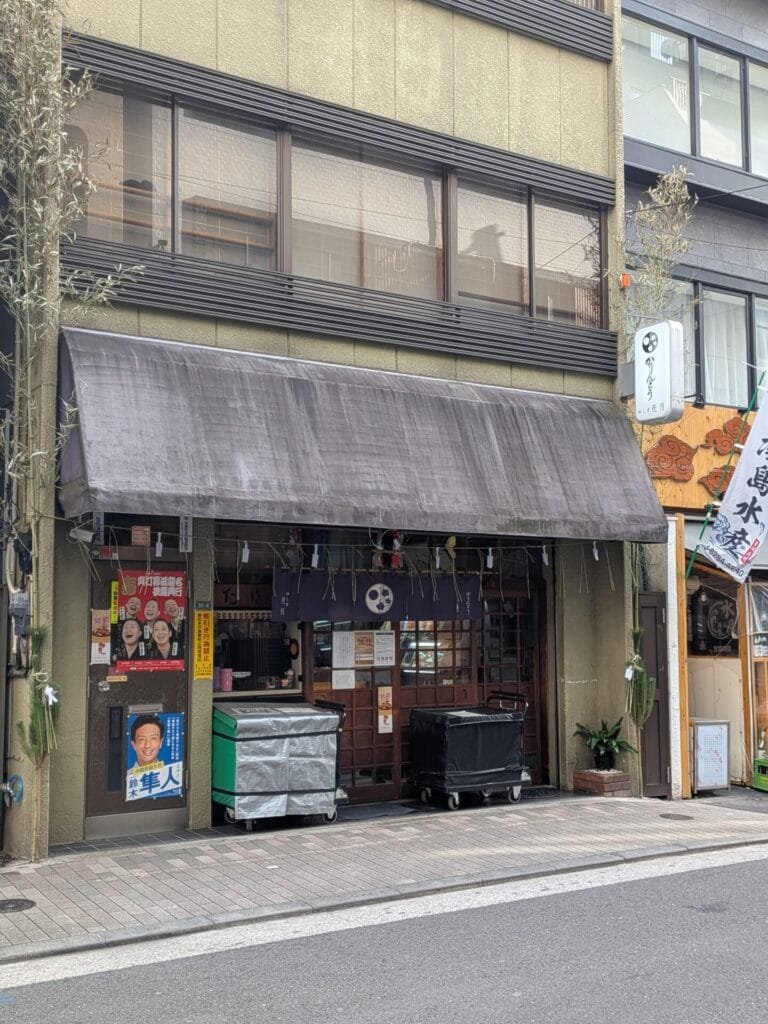
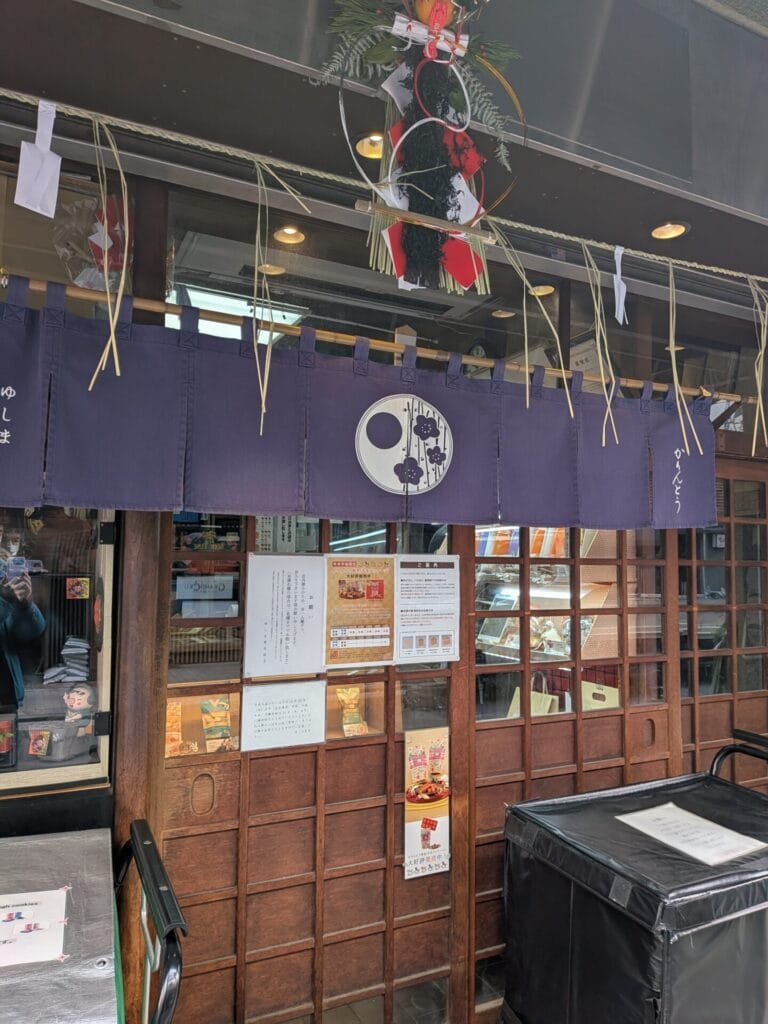
Located near Yushima Tenjin, “Kagetsu Yushima” operates as a karinto specialty shop deeply rooted in the community. Their handcrafted karinto made using traditional methods attracts not only locals but also fans traveling from distant locations.
The shop’s exterior presents a traditional wagashi shop appearance, with display cases showcasing various karinto varieties. Kagetsu’s karinto is popular as Yushima Tenjin worship souvenirs, beloved by the community for many years.
Artisan-Crafted Handmade Karinto
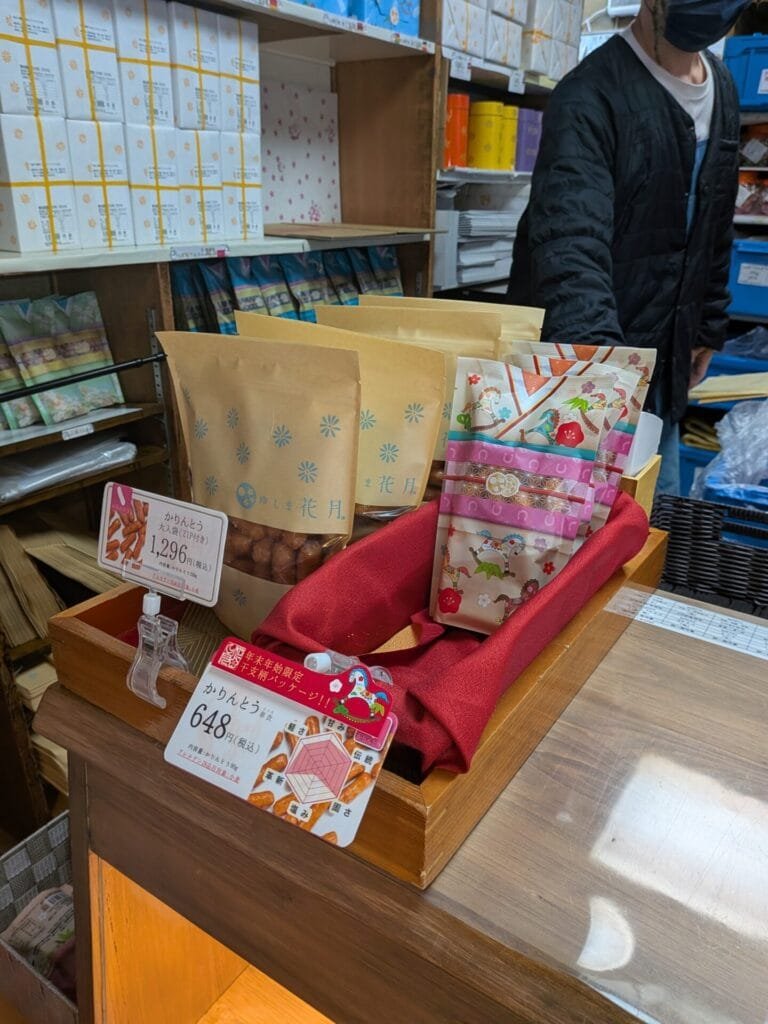
Kagetsu’s karinto adheres to traditional production methods using carefully selected ingredients. Dough is carefully kneaded, slowly fried over time, then finished with brown sugar or white sugar seasoning according to craftsmen’s experience.
Kagetsu offers various types including standard brown sugar karinto, sesame karinto, and thin karinto varieties. With good shelf life, these make popular souvenirs and gifts. They’re also ideal as tea snacks enjoyed with Japanese tea.
Shop Information and Access
- Address: 3-39-7 Yushima, Bunkyo-ku, Tokyo
- Phone: 03-3831-0751
- Hours: 10:00-18:00 (may close when sold out)
- Closed: Sundays, National Holidays
- Access: 3-minute walk from Tokyo Metro Chiyoda Line “Yushima Station”; approximately 2-minute walk from Yushima Tenjin
Usagiya: Nationally Renowned Dorayaki Specialty Shop
Dorayaki Specialist Since 1914
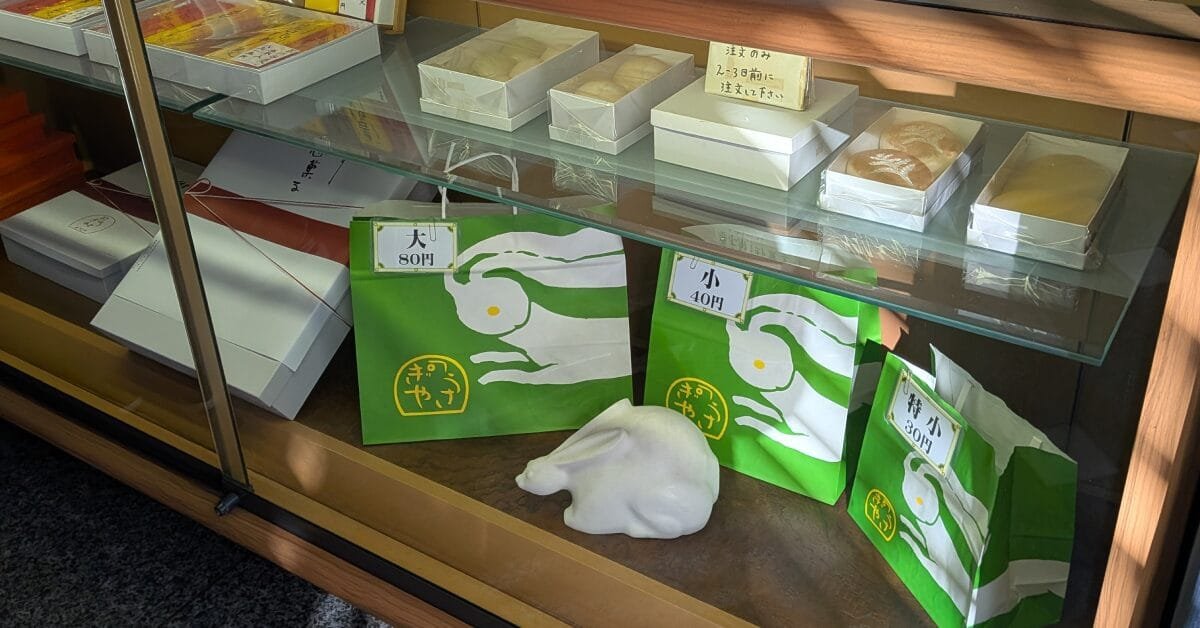
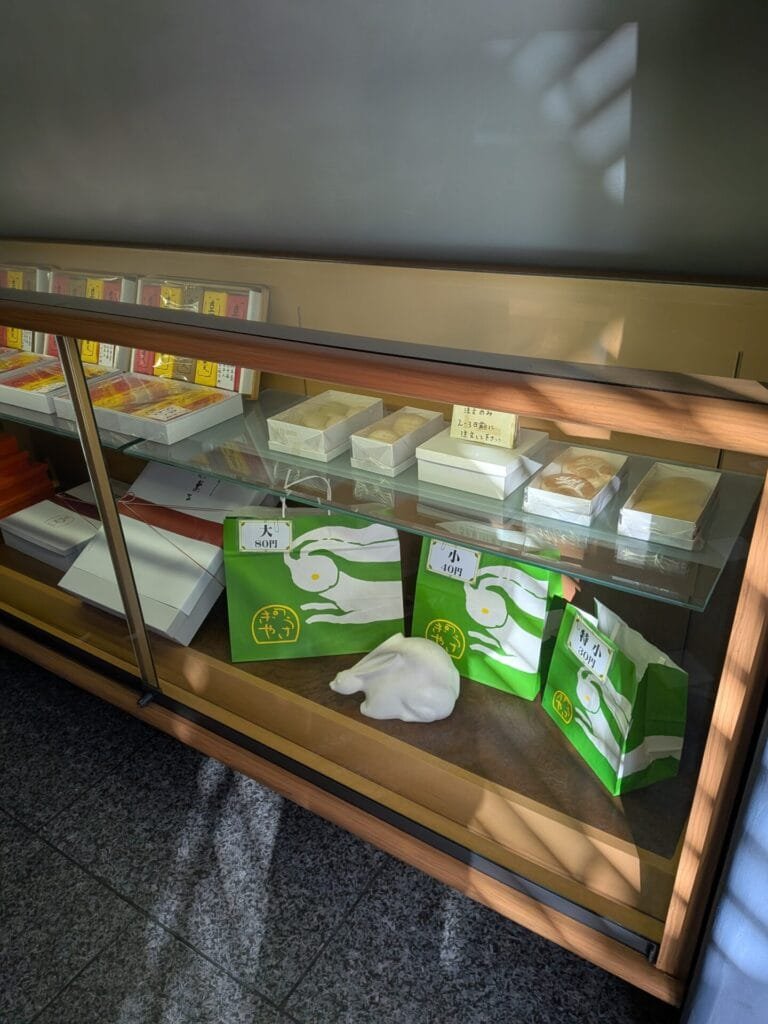
Founded in 1913, “Usagiya” is renowned as a dorayaki (about dorayaki) specialty shop with over 100 years of history. As a popular establishment attracting daily crowds, it frequently appears in media coverage.
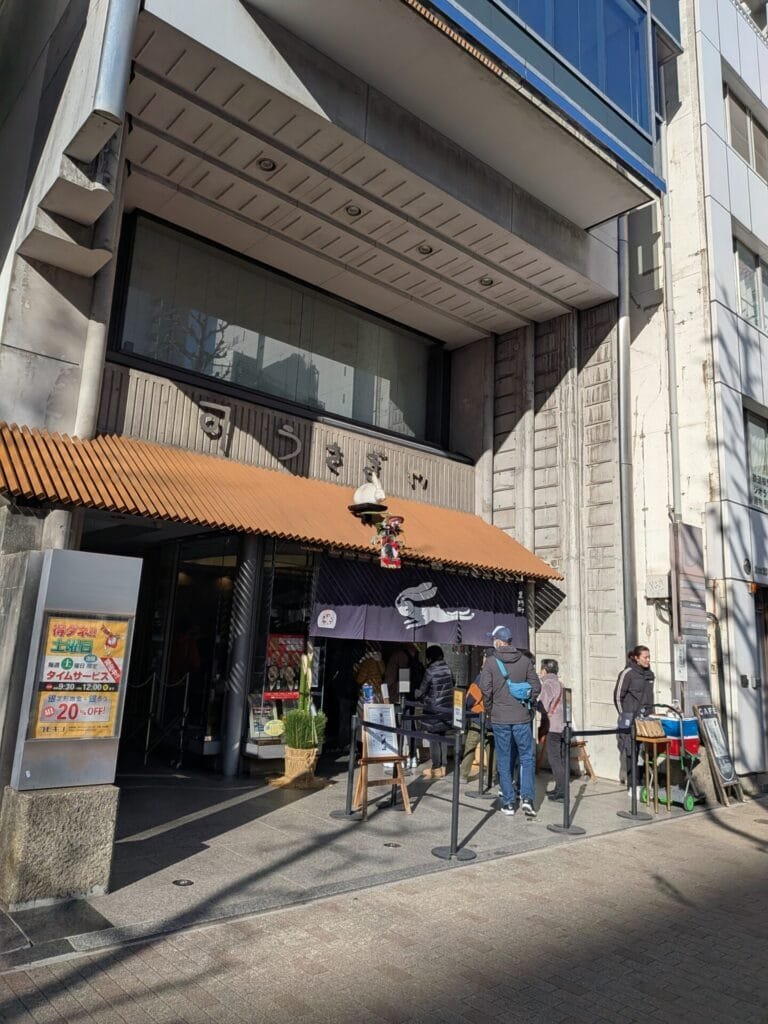
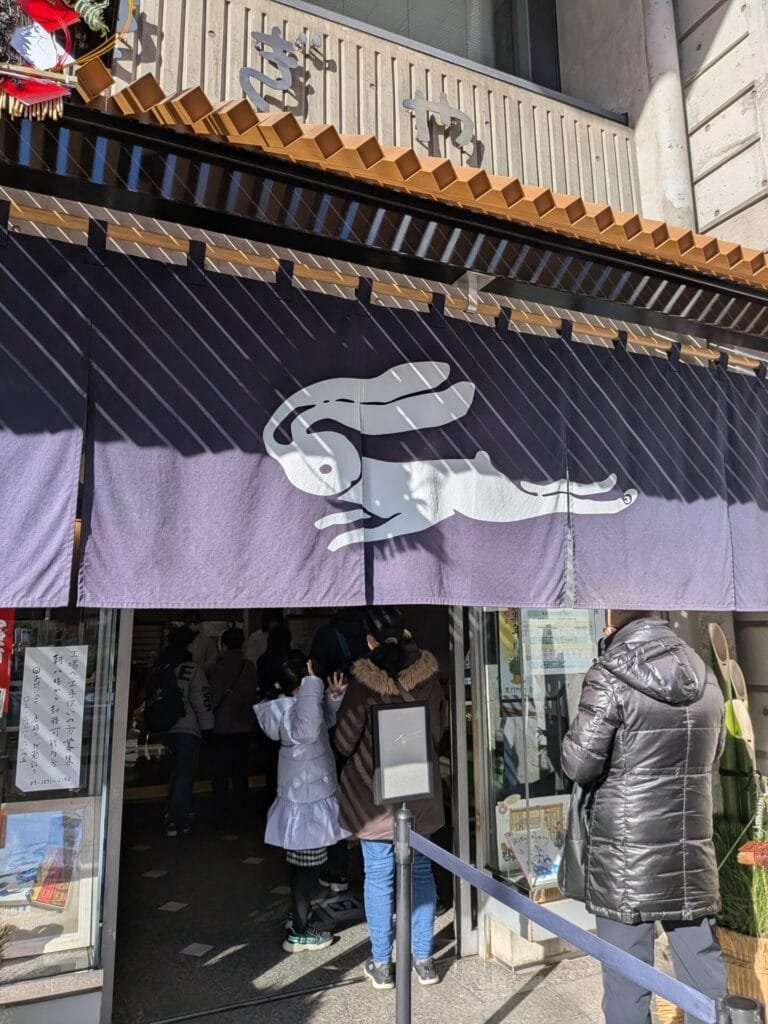
Note that “Ueno Usagiya” in Ueno and “Nihonbashi Usagiya” in Nihonbashi exist as separate, independently operated establishments from Yushima’s “Usagiya.”
Premium Dorayaki Craftsmanship
Usagiya’s dorayaki features fluffy pancakes and refined sweetness in the bean paste filling. The pancakes offer moist texture, with filling made from Hokkaido azuki beans.
Production methods are thoroughly refined, with craftsmen carefully grilling each piece. Therefore, daily production quantities are limited, often selling out by afternoon. Particularly on weekends and holidays, items may sell out early.
Besides dorayaki, monaka (wafer sandwiches) and seasonal wagashi are also available, though dorayaki remains the signature product.
Shop Information and Access
- Address: 1-10-10 Ueno, Taito-ku, Tokyo
- Phone: 03-3831-6195
- Hours: 9:00-18:00 (closes when sold out)
- Closed: Wednesdays
- Access: 4-minute walk from Tokyo Metro Ginza Line “Ueno-hirokoji Station”; 5-minute walk from JR “Okachimachi Station”; approximately 7-minute walk from Yushima Tenjin
Purchase Tips As Usagiya’s dorayaki is highly popular, visiting during early hours (morning) is recommended. Particularly on weekends and holidays, crowds may form even immediately after opening. Weekday mornings offer relatively easier purchasing opportunities.
Yushima Walking Tour: Combining Wagashi Shopping with Sightseeing
Recommended Walking Route
For Yushima wagashi shopping, the following route is recommended:
- Worship at Yushima Tenjin (Duration: 30 minutes-1 hour)
- Worship at the god of learning shrine and explore the grounds
- During plum season, admire plum blossoms
- Write wishes on ema (wooden prayer plaques) for dedication
- Purchase Karinto at Kagetsu (Duration: 15 minutes)
- 2-minute walk from Yushima Tenjin
- Purchase karinto as souvenirs
- Purchase Dorayaki at Usagiya (Duration: 30 minutes-1 hour including wait time)
- Approximately 10-minute walk from Kagetsu
- Preferably visit during early morning hours
This complete route requires approximately 2-3 hours including wait times. We recommend leisurely enjoying Yushima’s streetscapes while walking.
Nearby Attractions
Yushima’s surroundings offer attractive spots beyond wagashi shopping:
- Shinobazu Pond: A pond within Ueno Onshi Park offering seasonal natural beauty. Approximately 10-minute walk from Usagiya.
- Google Maps: Shinobazu Pond
- Kyu-Iwasaki-tei Garden: Western-style mansion and garden that served as the Iwasaki family (Mitsubishi zaibatsu) main residence. Visitors can tour Meiji-era architecture. Approximately 8-minute walk from Yushima Tenjin.
- Google Maps: Kyu-Iwasaki-tei Garden
- Ameyoko Shopping Street: Vibrant shopping street near Okachimachi Station. Various shops from food to clothing line the street.
- Google Maps: Ameyoko Shopping Street
Best Seasons to Visit Yushima
Plum Blossom Season (February-Early March) Peak viewing period for Yushima Tenjin’s plum blossoms. The “Plum Festival” is also held, with shrine grounds enveloped in plum fragrance. Combined with wagashi shopping, visitors can enjoy early spring atmosphere.
Exam Season (January-February) Period bustling with exam prayer worshippers. The ema dedication area displays numerous prayer plaques, offering unique seasonal atmosphere.
Year-Round Enjoyment Yushima Tenjin welcomes worship year-round, with different seasonal charms. Fresh greenery season (April-May), autumn foliage season (November-December) – whenever you visit, enjoy unchanging flavors at long-established wagashi shops.
Traditional Culture Experience: Yushima’s Wagashi Heritage and Scholarly District
Centered around Yushima Tenjin Shrine, revered as the god of learning, Yushima preserves history and culture continuing from the Edo period. This district maintains long-established wagashi shops that have preserved traditional flavors for generations.
Kagetsu’s traditionally crafted karinto is popular both as tea snacks enjoyed with Japanese tea and as gifts. Meanwhile, Usagiya’s dorayaki is renowned as a popular product known nationwide.
Though possessing different characteristics, both share commitment to tradition while carefully crafting wagashi. These flavors embody craftsmen’s skills and dedication.
Combining Yushima Tenjin Shrine worship praying for academic success with visiting historic wagashi shops creates a special experience savoring Tokyo’s traditional culture. Whether surrounded by plum fragrance in early spring, beautiful fresh greenery in early summer, or autumn foliage colors – Yushima warmly welcomes visitors in every season.
Please visit Yushima to fully enjoy the scholarly district’s history and traditional wagashi craftsmanship.